
Neurepiomics is a multidisciplinary, international summer school and workshop dedicated to advancing cutting-edge research in Neuroepidemiology in the Omics era.
Founded by leading researchers, Professors Stéphanie Debette and Sudha Seshadri, the annual event provides comprehensive, cross-disciplinary training for a diverse, international audience. Since its inception in 2015, the program has fostered a global network for students, early career, and senior researchers across fields such as neurology, epidemiology, imaging, bioinformatics, and statistics.
The intensive curriculum focuses on equipping participants with expertise in novel methodologies, including the application of 'omics' tools and advanced brain imaging techniques to the study of vascular and brain aging.
Neurepiomics is strongly connected to the CHARGE Consortium (Cohorts for Heart and Aging Research in Genomic Epidemiology), highlighting its commitment to large-scale collaborative science. The workshop rotates through key international locations, having been held in cities across the world, including Bordeaux, Boston, Kyoto, Arcachon, San Antonio, and Santiago.
The 2025 edition is funded in part by the National Institutes of Health (NIH: R13AG097036), with the Paris Brain Institute as the host institution and in collaboration with the Vascular Brain Health Institute (https://vbhi-institute.org/en/).
Co-founders
Neuropiomics 2026 is co-founded by Stéphanie Debette and Sudha Seshadri.
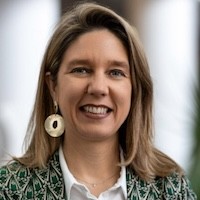
Prof. Stéphanie Debette
Neurologist and epidemiologist Prof. Stéphanie Debette is a recognized expert in the genetic epidemiology of cerebrovascular diseases, particularly stroke and small vessel disease (SVD).
After founding the Institute for Cerebral Vascular Health (IHU VBHI) in Bordeaux and directing the Bordeaux Population Health research center, she has been director of the Paris Brain Institute (CNRS / Inserm / Sorbonne Université) in Paris since January 2025.
Having coordinated ambitious interdisciplinary programs and international consortia, she works to promote a comprehensive approach to health, based on better representation of diverse populations, which is essential for the emergence of equitable precision medicine.
The recipient of several national and European awards, including the Inserm Grand Prix in 2024, she was elected a member of the French Académie des Sciences in 2024.
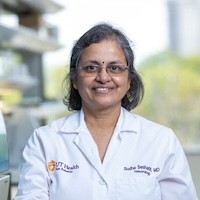
Prof. Sudha Seshadri
Dr. Sudha Seshadri, MD, is a renowned behavioral neurologist and the Robert R. Barker Distinguished University Professor of Neurology at the University of Texas Health Sciences Center at San Antonio. She is the founding director of the Glenn Biggs Institute for Alzheimer’s and Neurodegenerative Diseases, established in 2017. Her research focuses on the biology of Alzheimer’s, stroke, and vascular brain injury, with over 500 peer-reviewed publications and extensive NIH funding.
09:00–09:05 Welcome & Opening Remarks
SESSION 1. Introduction to Neuroepidemiology in the Omics Era – Chair: Sudha Seshadri
09:05-09:35 Epidemiology and genetics of dementia and cognitive decline, Lenore Launer, NIH (USA)
09:40-10:10 Genetics of Alzheimer’s disease, MCI and cognition, Anita De Stefano, Boston University (USA)
10:15-10:45 (Gen)omics of stroke and MRI markers of cerebral small vessel disease, Stéphanie Debette, Paris Brain Institute (France)
10:45-11:00 Coffee Break
11:00-11:30 The burden of stroke and dementia in Africa, Alfred Njamnshi, University of Yaoundé (Cameroon)
11:35-12:05 Impact of geography, migration, culture on brain health, Gladys Maestre, UTexas Rio Grande Valley (USA)
12:10-12:40 Polygenic risk scores: main principles and cross-ancestry validation, Aude Nicolas, Paris Brain Institute (France)
12:40-13:45 Lunch Break
SESSION 2. Methodological and Conceptual Insights into Genomics and Multiomics of Complex Diseases – Chair: Myriam Fornage
13:45-14:15 Lessons learnt from cross-ancestry genomic studies and remaining hurdles, Myriam Fornage, UTHealth Houston (USA)
14:20-14:50 The omnicausal model and the highly polyfactorial nature of complex diseases, Marie Verbanck, Institut Curie (France)
14:55-15:25 Deriving systems neuroscience approaches from a next-generation cohort, the Rhineland Study, Monique Breteler, DZNE (Germany)
15:25-15:55 Coffee Break
15:55-16:55 Integrative approaches of MRI-markers of vascular brain aging, Ami Tshuchida, VBHI (France) & Frauke Beyer, Max Planck Institute, Leipzig (Germany)
16:55-17:25 Spatial and temporal patterns of brain aging on MRI, TBC
17:15-17:45 From ultra-high to ultra-low field brain MRI: new opportunities for (gen)omics of complex brain diseases, Tomas Paus, Sainte-Justine University Hospital Center (Canada)
19:00-22:30 Group dinner
SESSION 3. Genomic and multiomic efforts applied to stroke and dementia: a cross-ancestry perspective – Chair: Stephanie Debette
09:05-09:35 Proteogenomics as a tool to explore brain biology, including discussion of the global neuroproteomics consortium (GNPC), Agustin Ruiz, UTHealth San Antonio (USA)
09:40-10:10 Multiplatform Proteomics in Parkinson's Disease, Laura Ibañez, Washington University St-Louis (USA)
10:15-10:45 Coffee Break
10:45–11:15 The Stromics Initiative: updates on whole-genome sequencing–based multiomics approaches for stroke in China and translational insights for novel therapeutics, Si Cheng, Tiantan Hospital, Beijing, (China)
11:20-11:50 Genetic discovery in the Million Veteran’s Program, Jennifer Huffman, Harvard University (USA)
12:00-12:30 Genomics of intracerebral hemorrhage in the China Kadoorie Biobank, Robin Walters, University of Oxford, China Kadoorie Biobank (UK/China)
12:30-13:30 Lunch
SESSION 4. Genomic and multiomic efforts applied to stroke and dementia: emerging concepts - Chair: Muralidharan Sargurupremraj
13:30-14:00 Biomarkers of cerebral small vessel disease, Geert-Jan Biessels, UMC Utrecht (Netherlands)
14:05-14:35 TBC
14:35-14:50 Coffee Break
14:50-15:20 Cell-free methylome and other multiomics determinants of cerebral small vessel disease in the Shunyi Study, Yicheng Zhu, Peking Union Medical College Hospital (China)
15:25-15:50 How to (not) use biological clocks from a causal inference perspective?, Arfan Ikram, Erasmus MC (Netherlands)
15:55-16:25 Exposome and brain aging, Cécilia Samieri, VBHI (France), TBC
16:30-18:00 PBI tour and group picture (main entrance)
19:45-22:30 Social event and dinner (including transportation)
SESSION 5. Workshop on Brain Banking initiatives across the globe - Chair: Philip De Jager
09:05-09:35 Starting and running a brain bank: overview of why and how, Sudha Seshadri, UTHealth San Antonio (USA)
09:40-10:10 Brain Banking network in China, Chao Ma, Peking Union Medical College Hospital (China)
10:15-10:45 Microbiome and brain aging, Bernard Fongang, UTHealth San Antonio (USA)
10:45-11:10 Coffee Break
11:10-11:40 Brain Banking in Argentina FLENI Institute, Gustavo Sevlever, FLENI (Argentina)
11:45-12:15 Brain Banking to better understand brain aging, stroke and dementia in Africa, Rufus Akinyemi, Univ. Ibadan (Nigeria)
12:15-13:15 Lunch Break
13:15-13:45 Brain banking work from Europe, the Paris Brain Bank, Danielle Seilhean, Pitié-Salpetriere Hospital (France), Paris Brain Institute (France)
13:50-14:20 International digital pathology initiatives and legacy brain banks, Margaret Flanagan, UTHealth SanAntonio (USA)
14:20-14:50 Brain single-cell omics and spatial transcriptomics, Philip De Jager, Columbia University (USA) and visiting prof. at Paris Brain Institute
14:50-15:20 Genomics of resilience to age-related brain diseases, Aniket MISHRA, Bordeaux Population Health Research Center, University of Bordeaux, France.
15:20-15:55 Metabolomics and lipidomics, Zdenka Pausova, Univ. Montreal (Canada)
17:40 End of Neurepiomics
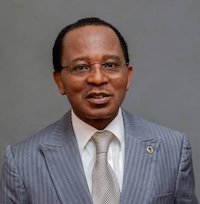 Prof. Alfred K. Njamnshi is Professor of Neuroscience at the Faculty of Medicine and Biomedical Sciences, University of Yaoundé I, where he founded and heads the Neuroscience Laboratory, chairs the neurology and neuroscience residency programs, and coordinates the School’s 31 residency programs. He is also Chief of Neurology at Yaoundé Central Hospital.
He holds an MD from the University of Yaoundé, Swiss Board Certification (FMH) in Neurology and Clinical Neurophysiology, an MA in Medical Education from the UK, and is a Fellow of the Royal College of Physicians (FRCP) and the Cameroon Academy of Science.
Prof. Njamnshi has published over 180 peer-reviewed papers. His work spans brain health and basic, clinical, translational, and environmental neuroscience.
He is Founder and Executive Director of the Brain Research Africa Initiative (BRAIN), with offices in Geneva and Yaoundé and partnerships across the USA, Europe, Africa, and the African Union Commission.
Prof. Njamnshi also serves as President of the Society of Cameroonian Neurologists (SCAN), Cameroon Delegate to the World Federation of Neurology, WFN Emeritus Director for Africa, Life Past President of PAANS, and Founding Member and Past Vice President of the African Academy of Neurology (AFAN). In 2024, he coordinated the Yaoundé Declaration on Brain Economy, Brain Health and Brain Capital, now recognized across international scientific and policy forums.
 Professor of Geriatric Neurology and Translational Neuroscience in the Institute for Advanced Medical Research and Training Deputy Director of the Centre for Genomics and Precision Medicine, College of Medicine, University of Ibadan, Nigeria.
Consultant neurologist to the University College Hospital, Ibadan, Nigeria. Rufus Akinyemi holds a PhD from Newcastle University, United Kingdom; an MSc in Cell Biology and Genetics and a Bachelor of Medicine and Surgery from the University of Ibadan, Nigeria. He also holds a fellowship of the National Postgraduate Medical College of Nigeria in Internal Medicine and Neurology.
Dr Akinyemi serves as the African PI of the NIA -funded READD – ADSP Project and spearheaded the establishment of the African Dementia Consortium (AfDC) and the African Stroke Organization.
He served as an executive member of the Vascular Cognitive Disorders PIA of the Alzheimer’s Association ISTAART. He played a major leading role in setting up large studies on stroke and dementia, serving as PI of the VALIANT cohort and one of the PIs of the SIREN study in Ibadan, Nigeria.
His work on stroke and dementia has attracted notable recognition including the James Kimani Award of the Society of Neuroscientists of Africa, the Bruce Schoenberg International Award in Neuroepidemiology of the American Academy of Neurology and the Atlantic fellowship of the Global Brain Health Institute.
He has over 200 peer - reviewed publications in reputable international journals including the Lancet, Science, New England Journal of Medicine and Nature.
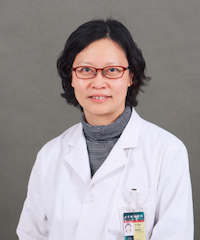 Dr. Yi-Cheng Zhu is a Professor in the Department of Neurology at Peking Union Medical College. She has authored and co-authored numerous peer-reviewed publications and has presented his work at national and international scientific meetings. Her contributions have been recognized by experts worldwide, and he is an active member of several professional societies and academies. Dr. Zhu’s academic career has been distinguished by prestigious awards and research funding. Her research interests include chronic kidney disease, renal dysfunction, stroke, and white matter hyperintensity.
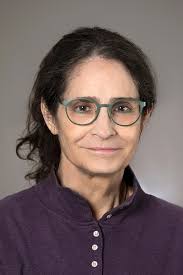
Dr. Launer received her Ph.D. in epidemiology and nutrition from Cornell University. From 1990 to 1999 she held academic appointments in the Netherlands (Erasmus University Medical School, Free University, National Institute for Public Health) where she collaborated in many epidemiologic studies of neurologic diseases including dementia and migraine headache. Dr. Launer joined NIA as Head of the Neuroepidemiology Unit in February 1999 and is currently Chief of the Laboratory of Epidemiology and Population Sciences.
 Anita L. DeStefano, Ph.D. is Professor of Biostatistics and Neurology and served as Graduate Affair Faculty Fellow for Diversity and Inclusion from 2018-2024. She was an inaugural Associate Director of the BU Genome Science Institute and served in that position from 2008 through 2018. She was Co-Director of the Biostatistics Program, which grants MA and Ph.D degrees in Biostatistics for 10 years. Dr. DeStefano developed a course in Statistical Genetics (BS858), which is taught to MPH, Biostatistics Program, and other graduate students. She was co-PI of the BU Summer Institute for Research Education in Biostatistics (SIBS) program, which strives to introduce a diverse group of students into the vibrant field of Biostatistics. She has taught or served as course coordinator for Introduction to Statistical Computing (BS723) for over 18 years. Dr. DeStefano has been instrumental in developing research computing resources for BUMC. She currently is co-chair of the BU IS&T Research Computing Governance Committee.
Her main research interest is statistical genetics. She was an investigator in the multi-national GenePD study working to identify the genes contributing Parkinson Disease. Dr. DeStefano was a senior statistical geneticist for the Framingham Heart Study focusing on stroke, Alzheimer disease and related endophenotypes including brain MRI measures. She is a key member of the Cohorts for Heart and Aging Research in Genomic Epidemiology (CHARGE) consortium Neurology working group and of the TOPMed Neurocognitive working group and International Genomics of Alzheimer Disease (IGAP) consortium. She currently leads analyses and serves as co-chair of the QC working group within the Alzheimer Disease Sequencing Project (ADSP). Dr. DeStefano is contact PI for the multi-site NIA U01 project "Therapeutic target discovery in ADSP data via comprehensive whole-genome analysis incorporating ethnic diversity and systems approaches".
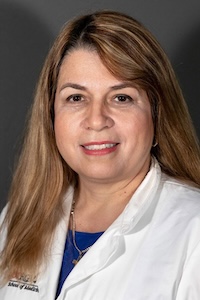 Gladys Maestre, MD, PhD, is the Director of the Alzheimer's Disease Resources Center for Minority Aging Research and a Professor of Neuroscience at the UTRGV School of Medicine.
Dr. Maestre previously served as visiting professor of Psychiatry and Neurology at the G.H. Sergievsky Center in Columbia University. Dr. Maestre received a Doctor of Medicine degree from University of Zulia. She received both her Masters in Genetic Epidemiology and her PhD in pathobiology from Columbia University. She recently completed her Masters of Arts in Neuroarchitecture from Iuav University of Venice.
Dr. Maestre is a neuroscientist who has worked with Alzheimer’s Disease and related dementias for more than 20 years. She is the PI of the Maracaibo Aging Study, a unique community-based cohort of individuals who have undergone in-depth assessments for cognitive, neuroimaging, and cardiovascular traits since 1997. As PI on several NIA and Fogarty International Center funded grants, her research has explored cultural, educational, and genetic risks for Alzheimer’s disease and cognitive decline, as well as cognitive function and health among minorities and ethnically diverse populations across the life span.
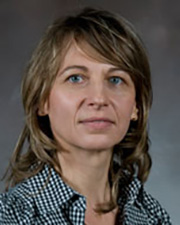 Dr. Fornage's research interests lie in the molecular genetics of complex diseases, with an emphasis on cerebrovascular disease and stroke.
Dr. Fornage received her Ph.D. from the University of Texas - Houston in 1996. She pursued her post-doctoral training in the Department of Genetics at Case Western University, Cleveland, Ohio. She joined the Institute of Molecular Medicine, University of Texas - Houston, in 1998 as a Research Fellow, was appointed Assistant Professor of Molecular Medicine in 2000, and Associate Professor in 2007. Dr. Fornage is also a faculty member of the Graduate School of Biomedical Sciences Program in Human and Molecular Genetics. Her research interests lie in the molecular genetics of complex diseases, with an emphasis on cerebrovascular disease and stroke. She is a member of the American Society of Human Genetics and the American Heart Association Stroke Council.
Current research is directed at understanding the genetic basis of brain vascular injury using functional genomic and genetic epidemiology strategies. Work in Dr. Fornage's laboratory employs microarray gene expression profiling and 2D gel electrophoresis proteomic analysis to identify genes and gene pathways contributing to stroke susceptibility in the stroke-prone spontaneously hypertensive rat (SHRSP). These studies recently identified the gene encoding soluble epoxide hydrolase, an enzyme involved in endothelium function, cerebral functional hyperemia, and angiogenesis, as a candidate gene influencing susceptibility to brain vascular injury in this model. Ongoing work is aimed at identifying the set of genes that comprises the molecular network underlying soluble epoxide hydrolase function in vascular disease.
Discovery of the molecular mechanisms contributing to increased susceptibility to brain lesions in the SHRSP provides the basis for investigation of these pathogenetic mechanisms in the development of human cardiovascular disease. Therefore, Dr. Fornage's laboratory also investigates whether variation in the human orthologues of the genes identified in the rat model influences risk of developing cardiovascular disease in the human population. She recently reported that sequence variation in the human soluble epoxide hydrolase gene influences risk for ischemic stroke in African-Americans and European-Americans.
Dr. Fornage is an investigator of the NHLBI Coronary Artery Disease Risk Development in Young Adults (CARDIA) study, a multi-center study of the distribution and evolution of coronary heart disease risk factors from young adulthood to middle-age. Her contribution to the study is directed toward the investigation of the interaction between genes and environmental factors that contribute to the development of coronary heart disease in young adults. Ongoing work investigates the interactions of variation in genes involved in eicosanoid synthesis and metabolism with dietary intake of fatty acids on the development and progression of atherosclerosis and its risk factors.
 Marie Verbanck is a researcher in statistical genetics. After earning a PhD in applied mathematics, she conducted postdoctoral research in integrative genomics and statistical genetics, notably at the Pasteur Institute in Lille and the Icahn School of Medicine at Mount Sinai in New York. She was an Assistant Professor at the University Paris Cité before joining the Institut Curie in 2024 as a Professor (Inserm junior professor chair). In 2024, she was awarded the Irène Joliot-Curie Prize in the "Young Woman Scientist" category by the French Academia of Sciences and the Ministry of Research. She has been leading the GEML (Genetics and Machine Learning) group, where she develops innovative statistical tools for genetic research.
 Monique Breteler is neuroepidemiologist. She is Director of Population Health Sciences at the German Center for Neurodegenerative Diseases (DZNE) and Professor of Population Health Sciences at the University of Bonn. Between 2002 and 2022, she was Adjunct Professor of Epidemiology at the Harvard School of Public Health in Boston, Massachusetts. She has been a foreign member of the Royal Netherlands Academy of Arts and Sciences since 2015, and a member of the German Academy of Sciences Leopoldina since 2019.
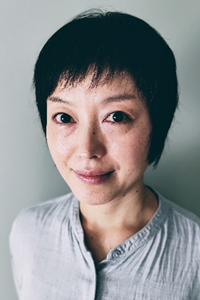 Ami Tsuchida, Ph.D., obtained her Ph.D. in Cognitive Neuroscience at McGill University in 2012, studying the functional specializations of human frontal lobe by administering a battery of computerized neuropsychological tests to lesion patients, and characterizing their impairments. She went on to combine neuropsychological methods with functional neuroimaging in her postdoctoral training with Brenda Milner, also at McGill University, in a project to understand the role of hemispheric specializations and inter-hemispheric interaction in memory function. She joined the Neurofunctional Imaging Group (GIN) at the University of Bordeaux in 2017 to expand her skills in multimodal neuroimaging processing and analysis methods, in a project to investigate the impact of subtle white matter anomalies (WMAs) in a large cohort of young adults. She has contributed to the processing, management and analyses of the MRi-Share database, a unique multimodal neuroimaging database of 1,870 university students in Bordeaux. In particular, she contributed to the identification and characterization of WMAs in this cohort, which may be precursors to the small cerebral vessel diseases later in life. She brings her expertise in neuropsychology and the large-scale neuroimaging processing and analyses of WMAs to the SHIVA project, which aims to prevent the cognitive decline and dementia caused by small cerebral vessel diseases.
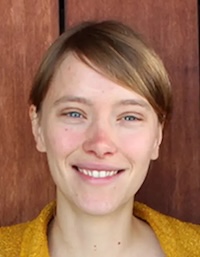 Frauke Beyer is a postdoctoral researcher focusing on the mechanisms and modifiable factors of brain aging, with the aim of promoting cognitive health across the lifespan. Her work primarily uses multi-modal magnetic resonance imaging to derive biomarkers of brain aging and to investigate how lifestyle and metabolic factors influence brain structure, function, and cognition.
A major focus of her research is obesity and related metabolic disturbances, including insulin resistance and systemic inflammation. She has worked with both large population-based cohort studies and intervention studies in healthy aging adults.
In addition to her interest in healthy aging, Frauke Beyer is strongly committed to open science and actively promotes transparency, reproducibility, and reliability in research. Her current projects examine the effects of multi-modal interventions on brain health, modifiable risk factors for small vessel disease, the impact of social isolation on brain structure and cognition, and brain changes associated with long COVID.
She is currently a postdoctoral researcher at the University of Bordeaux, funded by the German Research Foundation (DFG), and holds a PhD in neuroscience, with an academic background in physics and medical radiation sciences.
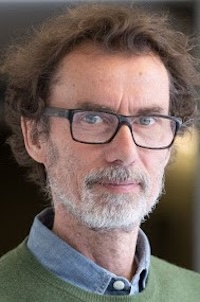 Dr. Paus is a systems neuroscientist who extends his core expertise in structural and functional organization of the human brain to both the molecular level (omics), and population level (geospatial mapping of physical and social environments).
His current work integrates epidemiology, neuroscience and genetics – through a new discipline of population neuroscience - in the pursuit of knowledge relevant for child and youth brain health. This research draws on data acquired in a number of cohorts based in North and South America and Europe.
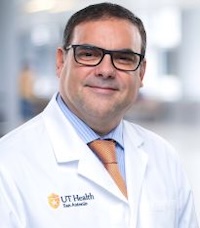 Agustin Ruiz, MD, PhD, professor and director of the Glenn Biggs Institute for Alzheimer’s and Neurodegenerative Diseases’ Biological Core laboratory and the Keith M. and Pat V. Orme Endowed Chair in Alzheimer’s and Neurodegenerative Diseases at UT Health San Antonio.
Dr. Ruiz is also the non-executive research director of ACE Alzheimer Center in Barcelona, Spain, and the principal investigator of the Networked Biomedical Research Center for Neurodegenerative Diseases of the Instituto de Salud Carlos III (Ministry of Health of Spain—CIBERNED/ISCIII).
He earned an MD and PhD in molecular and cell biology from the University of Seville.
Dr. Ruiz has held significant roles, including co-founding several biotech companies and has received numerous awards for his contributions to biotechnology and Alzheimer’s research. His publication record includes 254 articles and 180 preprints/abstracts.
He has secured funding for more than 40 competitive research projects and contributed to the application of genomic technologies in medicine and the discovery of genetic factors in dementia and other human conditions.
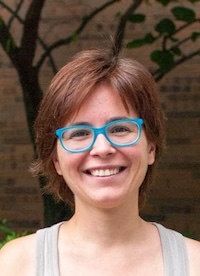 Dr. Laura IBANEZ is an assistant professor at Washington University School of Medicine (WUSM) in Saint Louis with a join appointment at the departments of psychiatry and neurology. She is also part of the NeuroGenomics and Informatics Center at that institution. Dr. Ibanez obtained her PhD at the University of Barcelona (Spain) with honors and moved to Washington University for her postdoctoral training on genome-wide association analyses and other high-throughput techniques. She joined the faculty at WUSM in 2020. Her research interests are focused on understanding the role of RNA species (messenger RNAs, small RNAs and circular RNAs) in the development and progression of neurodegenerative diseases. Additionally, she is interested in the development of noninvasive diagnostic techniques using RNA species from plasma and blood, specially those that facilitate diagnosis of Alzheimer’s and Parkinson’s diseases.
 Dr. Robin WALTERS completed degrees in Natural Sciences (Cambridge) and in Genetics (Liverpool) before working for 17 years on the biophysics, biochemistry and genetics of plant photosynthesis, first in Sheffield and then in Oxford. He then held a post as a Research Fellow at Imperial College London, before moving to CTSU in June 2012.
Dr Walters’s recent research has focussed on investigating the contribution of structural variation in the human genome to disease risk and phenotypic variation, with a particular focus on diabetes and obesity. He played a leading role in work identifying the highly penetrant obesity phenotype associated with a deletion on chromosome 16p, and the reciprocal effects of a duplication at the same locus.
He continues to have an interest in the development of novel methodologies for the identification and analysis of genomic structural variants. His current role is to plan and lead the genetic analysis of stroke risk in the China Kadoorie Biobank.
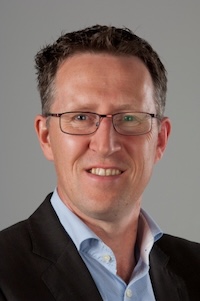 Geert-Jan BIESSELS is an internationally recognized expert in vascular cognitive impairment (VCI) and cerebral small vessel disease (SVD). His research focuses on the development and application of MRI markers to improve diagnosis, prognostication, and personalized treatment of vascular brain disorders.
Using high-field 7T MRI, his work enabled the first in vivo detection of cerebral microinfarcts. This methodology has since been translated to more widely available 3T MRI, leading to the publication of international standards for microinfarct detection in The Lancet Neurology. His current research explores small vessel disease at the level of the vessels themselves through novel measures of small vessel structure and function at 7T MRI, and investigates the cognitive impact of vascular brain lesions through multicenter lesion-symptom mapping (META VCI MAP consortium) and diffusion MRI-based white matter network studies.
Geert-Jan Biessels is actively involved in multiple national and international research networks in VCI and SVD, including STRIVE and HARNESS, and leads the Dutch Heart–Brain Connection consortium. He has served as principal investigator in two large randomized controlled trials in diabetes with cognitive outcomes.
He has supervised more than 40 PhD students and authored over 450 peer-reviewed publications. His work has been recognized with prestigious awards, including the Dutch National Research Council Vidi and Vici grants. He was appointed Fellow of the Royal College of Physicians of Edinburgh in 2016 and received the European Stroke Organisation Senior Investigator Award in 2015.
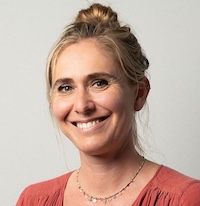 Cécilia SAMIERI is a French epidemiologist and research director at INSERM (French National Institute of Health), where she leads research on brain aging and dementia at the Bordeaux Population Health (BPH) Research Center, INSERM U1219 / University of Bordeaux. Her work focuses on the role of environmental and lifestyle factors—including nutrition and cardiometabolic health—in the development of age-related brain diseases such as Alzheimer’s disease.
Trained originally as a veterinarian, she earned her Doctorate in Epidemiology and Public Health from the University of Bordeaux in 2009. She then completed a postdoctoral fellowship at the Channing Division of Network Medicine, Harvard Medical School (Boston, USA), before returning to France to join INSERM as a permanent researcher in 2015. She was promoted to Research Director in 2021.
Her research encompasses large cohort studies and multidisciplinary projects aimed at identifying modifiable determinants of healthy cognitive aging and informing prevention strategies for dementia.
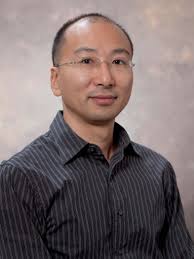 Dr. Chao MA graduated from Peking Union Medical College in 1999 and obtained his MD degree. After 1-year of surgical residency in the Peking Union Medical College Hospital, he went to the US and became a Postdoctoral Associate in Yale University School of Medicine in 2000 to study the mechanisms of chronic pain. He was promoted to Associate Research Scientist in 2003 and Assistant Professor in 2008, and started a research group to investigate the neural mechanisms of pain and itch under the support of NIH since then. Dr. Ma has published a series of research manuscripts and was co-editor of a book ‘Animal Models of Pain’. Starting from December 2011, Dr. Ma returned to Peking Union Medical College and was appointed as Professor and Chair of Anatomy, Histology and Embryology in the Institute of Basic Medical Sciences, Chinese Academy of Medical Sciences. Dr. Ma was also the founder and director of Human Brain Bank Project in the Chinese Academy of Medical Sciences since December 2012.
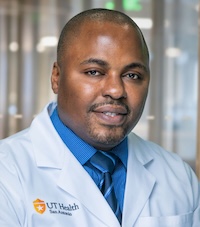
 Dr. FONGANG is an Assistant Professor of Bioinformatics at the Glenn Biggs Institute for Alzheimer’s and Neurodegenerative Diseases, the South Texas Alzheimer’s Disease Research Center, the Department of Biochemistry and Structural Biology, and the Population Health Science at UT Health San Antonio. He has expertise in genomics and transcriptomics profiling, multi-omics integration, and structural bioinformatics. He has led several international projects, including the genetic profiling of more than 800.000 individuals to discover novel variants associated with all-cause and vascular dementias. In addition, his lab is actively developing and applying multi-omics approaches to delineate neurodegenerative diseases’ basis. He is also involved in collecting new data across Texas and analyzing collaborative data obtained through big consortia like the Cohorts for Heart and Aging Research in Genomic Epidemiology (CHARGE), the Alzheimer’s Disease Sequencing Project (ADSP), and the Trans-Omics for Precision Medicine (TOPMed). For the newly funded CureAlz grant, Dr. Fongang’s lab will provide bioinformatic support, including the analysis and functional interpretation of lipidomic and metabolomic data.
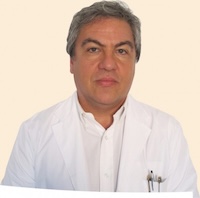 Dr. Gustavo SEVLEVER is a physician and neuroscientist based in Argentina, serving as Director of Research and Education at the Fleni Institute and Director of the Laboratory of Applied Research in Neurosciences (LIAN). He also leads the Argentine Brain Bank and heads the Neuropathology Department at Fleni, where he contributes to both clinical and basic neuroscience research.
Dr. Sevlever earned his Medical Degree (MD) from the Faculty of Medicine at the University of Buenos Aires in 1979 and completed his Doctorate in Medicine at the same institution in 1992. He holds multiple leadership roles at Fleni and in international neuropathology organizations, including serving as President of the Ethics Committee at Fleni and as a Councillor for the International Society of Neuropathology.
His research interests include dementia, brain biomarkers, stem cell biology and disease modeling, brain tumors, prognostic markers, genomics, and bioinformatics for neurological disease diagnosis. He has authored over 140 peer-reviewed scientific publications and has received several awards for his contributions to neuroscience.
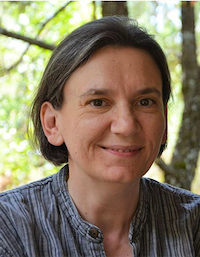
Danielle SEILHEAN discovered neuropathology during her neurology residency in Paris, following the completion of a postgraduate degree (DEA) in neurosciences. She was trained at the Pitié-Salpêtrière Hospital, where the Department of Neuropathology works in close interaction with numerous specialized clinical and research units dedicated to the diagnosis, care, and study of diseases of the nervous system.
After research stays in the United States at Harvard Medical School in Boston and at the Albert Einstein College of Medicine in New York, she pursued an academic hospital career. Following the completion of her PhD, her research became particularly focused on inflammatory and infectious diseases of the central nervous system, including multiple sclerosis, encephalitis, and Creutzfeldt–Jakob disease, as well as on motor neuron diseases such as amyotrophic lateral sclerosis.
She is currently a member of the research team “Causes of ALS and mechanisms of motor neuron degeneration” at the Brain Institute (ICM – Inserm U1127 – CNRS – Sorbonne University). Since 2009, Danielle Seilhean has been a Full Professor of Neurology and Hospital Practitioner (PU-PH) at AP-HP Sorbonne University. Since 2018, she has served as Head of the Department of Neuropathology at Pitié-Salpêtrière Hospital and as Scientific Director of the Neuro-CEB.
 As Associate Professor and Endowed Baptist Health Foundation of San Antonio’s Distinguished Chair in Alzheimer and Neurodegenerative Diseases, my professional goal is to identify and delineate pathophysiologic mechanisms underlying dementia to enable future development of diagnostic and therapeutic interventions. I have substantial experience in biospecimen banking and diagnostic neuropathology. I developed a brain autopsy protocol that significantly reduced costs and efforts while maintaining the diagnostic breadth of the original NIA-AA guidelines.
I have participated in an international, multidisciplinary working group that presented consensus-based guidelines for diagnosis using a condensed sampling and staining protocol for the staging of Limbic-predominant Age-relatedTDP43 Encephalopathy (LATE) neuropathological changes. I have established a laboratory that utilizes multidisciplinary approaches, including quantitative molecular platforms, biomarker development, biostatistics and epidemiologic assessments to identify and delineate the molecular mechanisms of dementia using rigorous and unbiased approaches and I am working towards subsequently developing feasible biomarkers for detecting preclinical neurodegeneration.
I serve as the Neuropathology Core Co-Leader for the South Texas ADRC and Co-Direct the Bigg’s Institute Brain Bank. I also serve as the Director of the iconic Nun Study on Aging and Alzheimer’s disease. Lastly, I am a founding member of the National Digital Pathology Working Group and lead our 24+ month digital pathology webinar series that was co-hosted by the National Alzheimer’s Coordinating Center.
 Dr. Philip L. DE JAGER is professor of neurology. After graduating from Yale University with a degree in Molecular Biophysics & Biochemistry, Dr. De Jager received a PhD in Neurogenetics from Rockefeller University and an MD from Cornell University Medical College, before completing his MMSc in Clinical Investigation at Harvard Medical School (HMS) and MIT. He served as a neurology resident in the Partners Neurology Residency Program at the Massachusetts General Hospital and Brigham and Women's Hospital. He then joined the faculty at HMS, rising to the rank of associate professor before joining CUIMC.
The goal of Dr. De Jager's work as a clinician-scientist is to apply modern methods of neuro-immunology, statistical genetics, and systems biology to the understanding of common neurodegenerative diseases. At CUIMC, Dr. De Jager serves as Chief of the Department of Neurology's Division of Neuroimmunology, which includes the Columbia University Multiple Sclerosis Center and focuses on characterizing and targeting the neuro-immunologic component of neurodegenerative disease. Dr. De Jager also serves as the director of a new Center for Translational & Computational Neuro-Immunology.
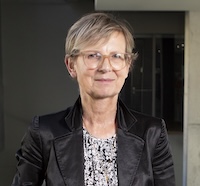 Dr. Zdenka PAUSOVA received her medical degree at Purkyne (now Masaryk) University in Brno, Czech Republic. She trained in internal medicine at the Institute of Clinical and Experimental Medicine in Prague, Czech Republic, and in genetics at McGill University and the University of Montreal in Montreal, Canada. Dr. Pausova’s research investigates the relationships between cardiometabolic and brain health across the lifespan, combining clinical and preclinical studies.
Dr. Pausova co-leads the Saguenay Youth Study, a longitudinal, two-generational study of 2,000 adolescents and their parents that investigates the etiology, early stages, and transgenerational trajectories of common cardiometabolic and brain diseases. The study combines deep ‘systems’ phenotyping (including magnetic resonance imaging of the brain and body) with multi-omics assessments. It involves a multidisciplinary team of researchers from six Canadian universities.
Dr. Pausova’s research group partners with research groups from the USA and Europe through international consortia, such as CHARGE, BRIDGET and ENIGMA.
Dr. Pausova’s lab has led research uncovering how obesity, metabolic disorders, and cerebrovascular disease contribute to cortical atrophy and dementia risk. They have demonstrated that obesity-related loss of cortical tissue shares molecular and cellular features with Alzheimer’s disease, identifying microglial inflammatory pathways and neuronal dysregulations underlying this link. They have discovered blood biomarkers of cerebral small-vessel disease, revealed genetic and vascular mechanisms driving cortical thinning and dementia, and shown that cortical atrophy begins in the prediabetic stage.
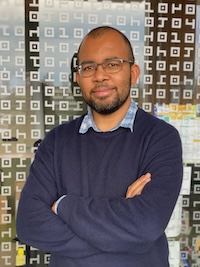 Aniket MISHRA, Ph.D., is a tenured researcher in statistical genetics within the Bordeaux Population Health Research Center, University of Bordeaux, France. He is interested in understanding the genetic basis (risk factors, causal pathways and drugable targets) of stroke and dementia. Dr. Mishra completed his Ph.D. from the University of Queensland, Australia, and two postdoctoral fellowships first at the Neuroscience Campus, VU Amsterdam, the Netherlands and second at the Bordeaux Population Health Research Center, University of Bordeaux, France.
Within ten years (three years of Ph.D., a two + three year postdoc and an ongoing tenured position) of his research career he published more than thirty (ten first authorships) articles in peer-reviewed journals, including publications in high impact journals: Nature Genetics, Nature Communications and Brain (one being awarded “Editor’s choice article of the month”), and developed two widely used software: VEGAS2 (>200 citations) and VEGAS2Pathway.
He is an active member of International Stroke Genetics Consortium (ISGC), Cohorts for Heart and Aging Research in Genomic Epidemiology (CHARGE), and JPND-BRIDGET network.
Registration fees
- Students / Postdoctoral Fellows: €200
- All other participants: €400
Travel and accommodation costs are not covered by the host institutions, except for participants from low- and middle-income countries.
Free Registration: Members of the host institutions (Paris Brain Institute, Glenn Biggs Institute and South Texas ADRC, VBHI), invited speakers, and members of the labs of invited speakers
Registration is complete.

Candidates wishing to attend should submit their CV along with a brief motivation paragraph.
Click here