
BAULAC Stéphanie
Title: PhD
Function: Team Leader, PI
Affiliated entities INSERM
Biography
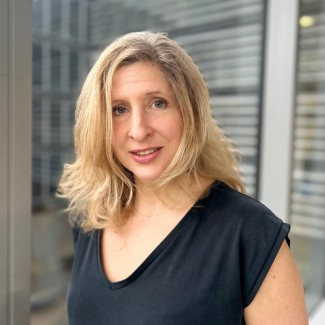
Stéphanie Baulac is an Inserm Research Director (DR1) and leads the MOSAIC team, Genetic Mosaicism in Epilepsy and Neurodevelopmental Disorders, at the Paris Brain Institute. A geneticist by training, she has studied the genetic basis of epilepsy for over 25 years, with a particular focus on brain somatic mosaicism and malformations of cortical development.
After obtaining her PhD in neurogenetics from Université Paris Cité in 2001, she completed postdoctoral training at Harvard Medical School (Boston, 2002–2005), followed by a research stay at Kyoto University (Japan, 2009–2010).
Her scientific contributions have been recognized through several distinctions, including an ERC Consolidator Grant (2016), the Michael Prize, an international award in epileptology (2019), the Lamonica Prize in Neurology from the French Academy of Sciences (2024), and the ROGER DE SPOELBERCH Foundation Prize (2025).
She serves on the scientific boards of the French League Against Epilepsy (LFCE) and the French Foundation for Epilepsy Research (FFRE), and is a member of the International League Against Epilepsy (ILAE) Precision Therapy for Epilepsy Task Force.
With more than 130 scientific publications and over 14,000 citations, she has contributed to the identification of several epilepsy-associated genes and to establishing the major role of brain somatic mutations, particularly those affecting the mTOR signaling pathway, in epileptogenic cortical malformations.
Research
The MOSAIC team, led by Stéphanie Baulac, investigates the genetic causes and cellular mechanisms of epilepsies associated with malformations of brain development and other neurological disorders, including focal cortical dysplasias (FCD), hemimegalencephaly, tuberous sclerosis complex (TSC), hypothalamic hamartomas, and Rasmussen encephalitis.
Over the past decade, the team’s work has helped establish the role of brain somatic mosaicism, whereby genetic mutations acquired during development are present in only a fraction of brain cells.
The team pursues a translational approach combining human genetics, single-cell genomics, spatial transcriptomics, brain organoids, and mouse models, in close collaboration with clinical neurology and neurosurgery teams.
Its main research areas are:
- Identify the genetic causes of epilepsy and cortical malformations, particularly somatic mutations present at very low frequencies in brain tissue. The team is also developing novel diagnostic approaches to detect these mutations in cerebrospinal fluid or on intracerebral electrodes used during presurgical evaluation.
- Understand the cellular and molecular consequences of brain mosaicism by determining which cell populations harbor mutations and how these alterations disrupt cortical development and neuronal networks. This research draws on single-cell sequencing, spatial transcriptomics, and functional analyses of human brain tissue.
- Model the pathogenic mechanisms of developmental epilepsies using human cortical organoids derived from induced pluripotent stem cells (iPSCs) and mouse models that reproduce somatic mutations and abnormalities observed in patients.
- Explore novel targeted therapeutic strategies, particularly by investigating cellular senescence associated with mTOR pathway hyperactivation.
Through this research, the MOSAIC team aims to better understand the mechanisms underlying epilepsy and associated neurodevelopmental disorders, improve molecular diagnosis, and contribute to the development of new precision therapies.
Principales publications
2025
- Baldassari S, Klingler E, Gomez Teijeiro L, Doladilhe M, Raoux C, Roig Puiggros S, Bizzotto S, Sami L, Ribierre T, Aronica E, Adle-Biassette H, Chipaux M, Jabaudon J and Baulac S. Single-cell genotyping and transcriptomic profiling in focal cortical dysplasia. Nat Neurosci. 2025. doi.org/10.1038/s41593-025-01936-z.
2024
- Boßelmann, C.M., Leu, C., Brünger, T. Hoffmann L, Baldassari S, …, Baulac S, et al. Analysis of 1386 epileptogenic brain lesions reveals association with DYRK1A and EGFR. Nat Commun 15, 10429 (2024).
- Ribierre T, Bacq A, Baldassari S, Maletic M, Roussel D, Donneger F, Doladilhe M, Le Roux I, Chassoux F, Devaux B, Adle-Biassette H, Ferrand-Sorbets S, Dorfmüller G, Chipaux M, Poncer JC and Baulac S. Targeting pathogenic cells reduces seizures in neurodevelopmental mTOR-related epilepsy. Nat Neurosci. 2024 Jun;27(6):1125-1136. doi: 10.1038/s41593-024-01634-2.
2023
- Okoh J, Mays J, Bacq A, Chen C, Imambeyev K, Zhou H, Jafar-Nejad P, Noebels J, Baulac S and Costa-Mattioli M. Targeted suppression of mTORC2 reduces seizures across models of epilepsy. Nat Commun. 2023 Nov 14;14(1):7364. doi: 10.1038/s41467-023-42922-y.
- Checri R, Chipaux M, Ferrand-Sorbets S, Raffo E, Bulteau C, Rosenberg SD, Doladilhe M, Dorfmüller G, Adle-Biassette H, Baldassari S, Baulac S. Detection of brain somatic mutations in focal cortical dysplasia during epilepsy presurgical workup. Brain Commun. 2023 Jun 1;5(3):fcad174. doi: 10.1093/braincomms/fcad174.
- Chung C, Yang X, Bae T , Vong K, Mittal S , Conti V, Guerrini R, Devinsky O, Wilson A. Silva Jr 18, Helio R. Machado 7, Mathern G , Abyzov A, Baldassari S, Baulac S, Focal Cortical Dysplasia Neurogenetics Consortium &, Brain Somatic Mosaicism Network and Gleeson J. Comprehensive multiomic profiling of somatic mutations in malformations of cortical development. Nat Genet. 2023 Feb;55(2):209-220. doi: 10.1038/s41588-022-01276-9
2021
- Kim S*, Baldassari S*, Sim NS, Chipaux M, Dorfmüller G, Kim DS, Chang WS, Taly V, Lee JH and Baulac S. Detection of Brain Somatic Mutations in Cerebrospinal Fluid from Refractory Epilepsy Patients. Annals of Neurology 2021. Jun;89(6):1248-1252. doi: 10.1002/ana.26080.
- Bonduelle T, Hartlieb T, Baldassari S, Sim NS, Kim SH, Kang HC, Kobow K, Coras R, Chipaux M, Dorfmüller G, Adle-Biassette H, Aronica E, Lee JH, Blumcke I and Baulac S. Frequent SLC35A2 brain mosaicism in mild malformation of cortical development with oligodendroglial hyperplasia in epilepsy (MOGHE). Acta Neuropathol Commun 2021 Jan 6;9(1):3. doi: 10.1186/s40478-020-01085-3 .
2019
- Baldassari S, Ribierre T, Marsan E, Adle-Biassette H, Ferrand-Sorbets S, Bulteau C, Dorison N, Fohlen M, Polivka M, Weckhuysen S, Dorfmüller G, Chipaux M, and Baulac S. Dissecting the genetic basis of focal cortical dysplasia: a large cohort study. Acta Neuropathol 2019 Dec;138(6):885-900. doi: 10.1007/s00401-019-02061-5.
2018
- Ribierre T, Deleuze C, Bacq A, Baldassari S, Marsan E, Chipaux M, Muraca G, Roussel D, Navarro V, Leguern E, Miles R and Baulac S. Second-hit mosaic mutation in mTORC1 repressor DEPDC5 causes focal cortical dysplasia-associated epilepsy. Journal of Clinical Investigation 2018. Jun 1;128(6):2452-2458. doi: 10.1172/JCI99384.