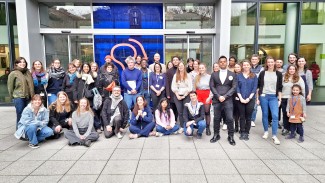
On Saturday, March 15, Paris Brain Institute once again opened its doors to the general public as part of Brain Week. Held every March since 1999, this international event aims to raise public awareness of the importance of brain research. Again this year, the open house was a great success, attracting nearly 475 visitors.
10 booths to find out about the research
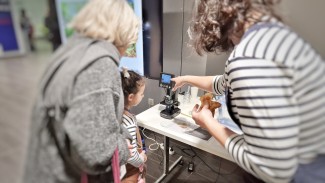
Extraction of DNA from bananas, observation of the brain using microscopes, discovery of the ‘ Fresque of creativity ’ discovery of the animal model of zebrafish to better understand the human brain, wheel of sleep… All these workshops allowed visitors to discover research in all its forms. The booths also provided a better understanding of Institute themes such as scientific innovation, Charcot’s disease, and many others, while raising awareness of the research professions among both the young and the young.
6 visits to dive into the world of laboratories and technology platforms
Visitors had the opportunity to discover six of the Institute's laboratories and technology platforms. These guided tours provided a glimpse into the daily lives of researchers, engineers and technicians who contribute to a better understanding of how the brain works and what ails it.
2 information hubs with high traffic
The mission of the Institute is to provide accurate information on neuroscience and current research, while stimulating interest. For this reason, information centres have been set up to answer many questions throughout the day. These spaces were highly appreciated by the public, who were able to learn more about current scientific advances and careers within the Institute.
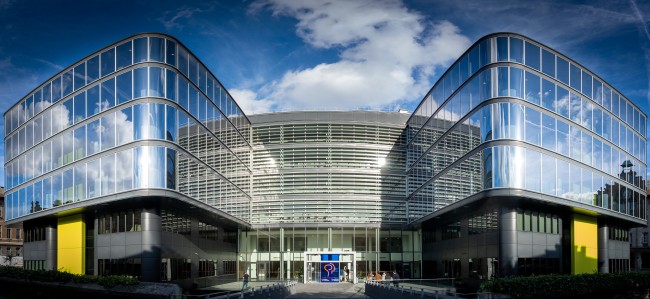
Joining Paris Brain Institute means adhering to an innovative model that brings together in one place patients, doctors, researchers and entrepreneurs with a common objective: to transform fundamental discoveries into therapeutic solutions through an interdisciplinary approach.
Click hereExciting lectures and a short documentary
New themes were proposed for this edition, which captured the attention of the participants. Among the topics discussed were the evolution of imaging to better understand brain function and the use of AI for MRI. An interactive conference also showcased the diversity of biomedical research careers. Finally, the broadcast of a short documentary on Parkinson’s disease, followed by discussions, shed light on future treatments and encouraging prospects.
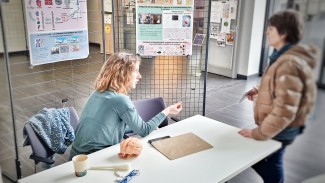
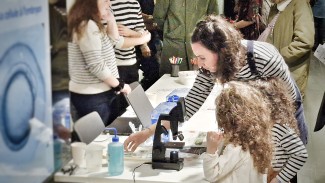

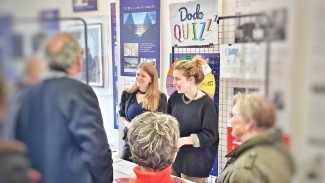
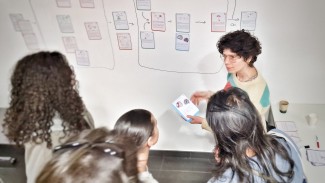
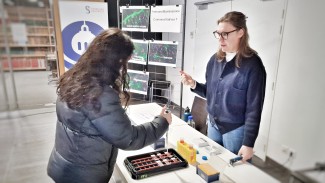
The large turnout for this open house demonstrated the growing public interest in neuroscience and research. This day was an opportunity for visitors to meet researchers, clinicians, engineers and technicians, while discovering the journeys of these professionals who are committed to the well-being of patients on a daily basis.