
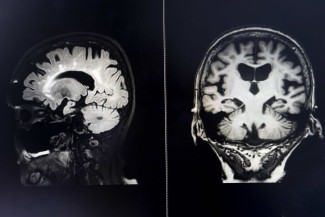
An irreversible disorder of memory, reasoning, behaviour, personality, motivation and sometimes mood, dementia affects nearly 710 000 people in France (source: health insurance, July 2025). While Alzheimer’s disease is responsible for 60-70% of cases, other diseases or brain injuries lead to this loss of mental faculties.
-

710 thousand people affected by dementia in France (source: health insurance file July 2025)
Dementia is a generic term used to describe a set of irreversible neurological disorders that affect the brain and worsen over time. It is a loss of the ability to think, remember, reason or behave appropriately at levels that affect daily life.
While the most common dementia is associated with Alzheimer’s disease, other neurological diseases or brain damage are responsible for this syndrome. Dementia is one of the leading causes of addiction in the elderly, although it can occur at any age. It affects each person differently depending on the underlying causes. Diagnosis of dementia is based on a neuropsychological assessment that involves screening for cognitive impairments such as:
| Cognitive ability | Example of tests |
| Disorientation in Time and Space | Drawing a house, a clock or imitating more or less complex hand postures. |
| Apaxia (disturbances in movement performance) | Touch your nose with your right hand or take a piece of paper in your left hand, fold it and put it on the desk or put your left finger on your nose and pull your tongue out. |
| Aphasia (language disorder) | In 1 minute, quote as many words as possible from the same category (clothes, fruit...) or name objects from the examination room. |
| Attention and concentration disorders | Drain a 5-letter word in place and then in reverse. The word "world" is often used. |
| Short-Term Amnesia | Memorize a list of 3 objects and recite them after 5 minutes. |
| Long-Term Amnesia | Cite the make of your 1st car or the city of your childhood. |
| Impairments in judgement | Ask the patient what he or she would do if they found an ID card on the sidewalk in front of the person’s address, put it in the mailbox, or throw it away. |
| Thinking Disorders | Finding the common point between 3 or 4 objects, they are all fruits, they are all green… |
Symptoms and Diagnoses of Dementia
Only a neurologist can diagnose dementia using these tests, each of which is neither necessary nor sufficient. On the other hand, other tests such as MRI brain imaging or genetic mutation testing may support or refute the diagnosis. On the other hand, each of the cognitive abilities assessed by these tests can be diminished in the elderly person without dementia.
| Dementias | Alzheimer's Disease | Frontotemporal Dementia | Vascular Dementia | Lewy Dementia | Other dementias |
| Characteristics | Amyloid Plaques | Degeneration of the frontal and temporal lobes of the brain | Diseases or lesions in the vessels that bring blood to the brain | Protein deposits (Lewy body) in nerve cells | Parkinson's disease Prion Disease Amyotrophic Lateral Sclerosis |
Biological Causes and Mechanisms of Dementia
The causes of dementia are manifold.
Alzheimer's Disease
Alzheimer's disease is often known for the memory loss experienced by patients. It is a progressive disease that usually begins with an isolated, progressive amnesiac syndrome of which the patient is generally not aware (anosognosis). Gradually, disorders of language (aphasia), writing (dysgraphy), movement (apraxia) and loss of the ability to recognize objects and faces (agnosia) are introduced.
Diagnosis is clinical and now involves high-performance diagnostic tests such as a full neuropsychological assessment of cognitive functions, imaging tests such as MRI and glucose PET that highlight areas of the brain that are suffering, and lumbar puncture that is capable of showing the biological signs of the disease, i.e. the presence of abnormal deposits of amyloid and tau proteins.
More about Alzheimer's disease
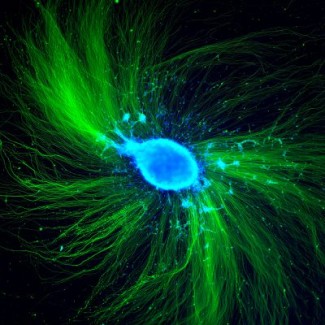
Alzheimer's disease
With longer life expectancies and the biological mechanisms at the origin of neurodegenerative diseases becoming increasingly complex, it is now estimated that, in France in 2020, 1.3 million people were affected by Alzheimer’s disease. Today, more...
Read moreFronto-temporal degeneration or dementia (FTD)
Fronto-temporal dementia is first suspected by relatives of the patient who report recent behavioural changes, personality changes or language difficulties.
The symptoms of FTD are caused by a dysfunction of the frontal and temporal regions of the brain in which abnormal proteins accumulate, causing neuron death and brain atrophy.
These regions are involved in functions as diverse as the control of our behaviours, especially our social behaviours, motivation and initiative, the control of emotions, and language. About 30% of fronto-temporal dementias are inherited from a genetic mutation.
Learn more about fronto-temporal dementia or degeneration
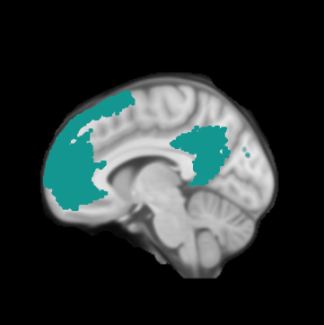
Frontotemporal degeneration (FTD)
Frontotemporal degeneration (FTD), also known as frontotemporal dementia or Pick’s disease, refers to a set of cognitive and behavioural neurodegenerative diseases. Around 6,000 patients suffer from this condition in France. FTD affects men and women...
Read moreLewy body Dementia
Lewy body dementia is the second most common neurodegenerative disease after Alzheimer’s disease. It is a disease
A complex disease that borrows symptoms from Alzheimer’s disease and Parkinson’s disease, and is therefore difficult to diagnose. As in the
Parkinson’s disease, patients have slow movement and early instability, but tremors are rare.
Lewy body dementia is characterized by abnormal deposits of a protein called alpha-synuclein, the Lewy bodies, inside neurons.
Symptoms are directly related to the location of alpha-synuclein aggregates in the brain. The main symptoms of dementia are disorders of spatial and temporal orientation, attention, executive functions, but also hallucinations and sleep disturbances.
A specific characteristic of Lewy body dementia is the alternation of periods without and with symptoms, usually with a frequency of a few days to a few weeks, but sometimes during the same interview.
Vascular Dementia
Vascular dementia is the result of a stroke or several small cerebral infarctions that cause neuronal loss sufficient to reach cognitive functions. It accounts for about 10% of dementias, or about 70 000 people in France.
Early symptoms of dementia include impaired executive function, difficulty initiating actions or tasks, slowed thinking, changes in personality and mood, language problems, and later memory loss. Symptoms may vary depending on the location of the infarction.
Chronic traumatic encephalopathy
Chronic traumatic encephalopathy is a neurodegenerative disease secondary to repeated head trauma. It is mainly developed after 60 years among former sportsmen, rugbymans, boxers and American football players.
Symptoms of dementia are mainly mood disorders that develop early, followed by excessive irritability, impulsivity or even aggression, and memory problems later.
Treatments for Dementia
To date, there is no effective treatment for dementia, which remains the main cause of loss of independence in older people and strongly affects the daily lives of their caregivers.
At Paris Brain Institute
At Paris Brain Institute, research on dementia aims to better understand the mechanisms underlying this syndrome, whatever its origin, in order to identify effective therapies.
Problems with memory, behaviour, language... While these symptoms suggest Alzheimer’s disease in the elderly, other neurodegenerative diseases can cause similar disorders. This is the case, for example, of fronto-temporal dementia (FTD), which affects around 6 000 people in France.
Click here
The team is interested in the molecular mechanisms involved in the initiation and progression of Alzheimer’s disease and prion diseases.
Read more
The ARAMIS team, led by Ninon BURGOS & Olivier COLLIOT, aims to build numerical models of brain diseases, particularly neurodegenerative pathologies, from multimodal patient databases. The main approaches used are machine learning (artificial...
Read more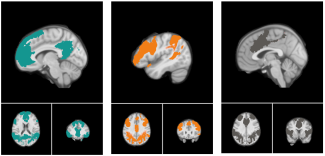
The goal of the Frontlab team is to understand better the role and organization of the prefrontal cortex in the control, activation, and inhibition of goal-directed behaviours.
Read more
The team aims to derive new structural and functional imaging biomarkers of cerebral small vessel disease, explore shared genetic underpinnings of rare monogenic and multifactorial forms of cerebral small vessel disease, and decipher the intricate...
Read more