The Paris Brain Institute has just secured 15 grants under the National Research Agency’s (ANR) 2026 General Call for Proposals (AAPG), for a total of 5.5 million euros.
Among the selected projects are 11 Collaborative Research Projects - 6 of which are coordinated by teams from the Institute -1 International Collaborative Research Project, conducted with a Brazilian partner, and 3 Young Researchers Projects. The latter represent a selection rate of 75% of the projects submitted by the Institute’s young scientists (3 out of 4 projects selected). The latter is a remarkable achievement with 3 awards over 4 projects submitted; a 75% success rate. These 3 projects highlight the research diversity delivered at the Paris Brain institute. DELTA-MOD (Dhanasak Dhanasobhon), SLOWSLEEP (Pauline Dodet) and WiringHD (Mariacristina Capizzi) cover fundamental mechanistic questions on cerebral plasticity, sleep disorders as well as neurodegenerative diseases.
The 12 collaborative projects also emphasize a broad spectrum of scientific questions as well, from the molecular and cellular mechanisms of the nervous system, the neurological diseases to the development of new therapeutic approaches.
Discover the projects below
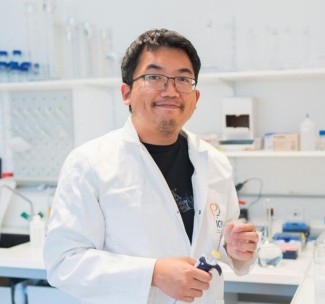
Dhanasak DHANASOBHON, Postdoctoral researcher
DELTA-MOD (JCJC-Coordinator)
Delta Receptors as Key Modulators of NMDA Receptors mediated plasticity in the Adult Brain
N-methyl-D-aspartate receptors (NMDARs) are glutamate-gated ion channels activated glutamate together with a co-agonist, typically D-serine or glycine play a fundamental role in synaptic plasticity, learning, and memory. Therapeutic strategies modulating co-agonist sites to correct NMDAR hypofunction failed in treating neurological and psychiatric disorders.
Our preliminary data provide strong evidence that GluD receptors are also key modulators of NMDAR function through D-serine–dependent signaling and interactions with excitatory glycinergic receptors (eGlyRs).
The DELTA-MOD project aims to better define those molecular and cellular mechanisms regulating synaptic NMDARs in adult brain and to identify new processes underlying cortical plasticity which could potentially constitute new therapeutic approache
Dr Pauline DODET, Researcher and neurologist (APHP)
SLOWSLEEP (JCJC-Coordinator)
Sleep as a Window into Early Neurodegenerative Processes
Improving Neurodegenerative diseases management requires a better understanding of their pathophysiology throughout disease course. A mechanistic link between non-rapid eye movement sleep impairment and neurodegeneration has been suggested and quantifying abnormalities in wake-sleep cycle architecture could be relevant approaches to probing the integrity of neuronal networks involved in sleep-related functions.
The overarching goal of the SLOWSLEEP project is to analyse sleep-wake cycle by focusing on overnight sleep and assessing its daytime benefits on cognitive functions and electrophysiological markers. These insights into presymptomatic stages of disease may contribute to the development of more tailored diagnostic and therapeutic strategies.

Mariacristina CAPIZZI, Postdoctoral researcher
WiringHD (JCJC-Coordinator)
Axon guidance and wiring in Huntington's disease
Huntington disease (HD) is an autosomal dominant genetic condition, caused by a mutation in the HTT gene. Although mutant HTT is expressed from conception, the disorder typically manifests in adulthood leading to psychiatric, cognitive and motor symptoms.
The objective of the WiringHD project is to investigate the roles of wild-type and mutant HTT in axon guidance and their impact on cortical wiring. It will explore whether restoring normal cortical connectivity through modulation of guidance pathways and/or wild-type HTT expression during the presymptomatic phase of the disease could prevent or delay neuronal degeneration in HD. Results could provide new therapeutic approaches.

Anne DESMAZIÈRES, INSERM researcher
BATTLE-M (PRC-Coordinator)
Battle for microglia control: Neurons VS Lymphocytes in Remyelination
Remyelination failure is a key contributor to disease progression in multiple sclerosis (MS), a complex inflammatory, demyelinating, and neurodegenerative disease of the central nervous system. Recent studies highlight the central role of microglial activation state in this process.
The aim of the BATTLE-M project is to investigate how immune–microglia–neuron interactions shape microglial function in remyelination. The goal is to define biomarkers to stratify patients, uncover therapeutic targets at the neuron–microglia–lymphocyte interface, and explore neuronal activity modulation as a novel strategy to promote repair and neuroprotection in MS.
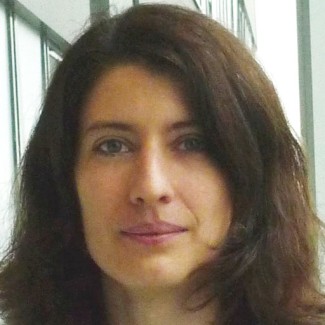
Jacobo SITT, INSERM researcher, team co-leader
BrainDyn (PRC-Coordinator)
Dynamic brain states and subjective experience: brain stimulation as a window into states and contents of consciousness
BrainDyn aims to elucidate how intrinsic brain dynamics shape both the objective neural responses and the subjective experiences evoked by intracranial stimulation. The project’s central hypothesis is that conscious perception and stimulation-evoked effects depend on the brain’s instantaneous configuration of recurrent activity patterns (RBAPs) preceding the stimulation rather than on broad behavioral states such as wakefulness or sleep.
BrainDyn will deliver mechanistic insights into how recurrent brain activity supports consciousness and how specific states gate perception and awareness and will pave the way to new interventions in patients with disorders of consciousness.
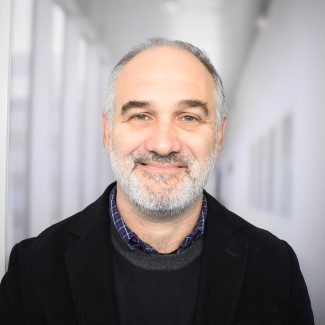
Pierre POUGET, CNRS researcher, team co-leader
BRIDGE (PRC-Coordinator)
Brain–hybrid Integrated Device & Gateway Engine
The BRIDGE project aims to develop a next-generation hybrid Brain-Machine Interface (BMI) that combines high performance with minimal invasiveness. By integrating high-resolution functional ultrasound imaging (fUSI) with electrophysiological and behavioral signals, the project seeks to enhance the decoding of neural activity and improve the reliability of brain–machine communication.
fUSI represents a promising compromise, enabling detailed mapping of cortical and subcortical brain activity through neurovascular coupling without penetrating neural tissue.
Ultimately, the BRIDGE project aims to establish a clinically translatable platform for minimally invasive, high-performance neural interfacing and future neurorehabilitation applications.
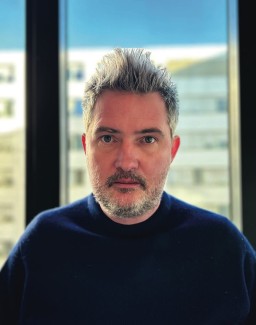
Lorenzo POSANI, CNRS researcher
CONCERTO (PRC-Partner, Coordinator ESPCI Paris)
Memory over time, consolidation, recall and deficits
The CONCERTO project aims to elucidate how neural representations of memory evolve over time. Experiences are initially encoded as detailed traces in the hippocampus and gradually consolidated into more abstract and stable representations across cortical networks.
Activity of thousands of neurons across key brain regions in mice, including the hippocampus, amygdala, thalamus, and prefrontal cortex, during the learning and recall of emotional memories will be analysed.
Bringing together experimental and computational neuroscience, the project will identify the mechanisms by which the brain stabilizes and generalizes memory representations over time but will also allow to better understand representation lost.

Stéphane CHARPIER, Sorbonne Université researcher and Dr Antoni VALERO-CABRE, APHP neurologist and CNRS researcher
EpiMag (PRC-Coordinator)
Low-intensity Transcranial Magnetic Stimulation as a new treatment for focal epilepsy
Repetitive transcranial magnetic stimulation (rTMS) is a well-established non-invasive technology to treat neurological conditions refractory to classical pharmacological therapy. The EpiMag project aims at developing a new brain stimulation approach to treat focal pharmaco-resistant epilepsies while elucidating its subtending antiepileptic mechanisms. The proposed rTMS protocol specifically designed to modulate both the hyperexcitability of ictogenic neurons and alterations of focal paroxysmal activities.
Findings will pave the way for personalized treatments for other neurological diseases and will help to develop of a new generation of portable multi-source LI-rTMS devices to be used outside hospital settings

Carlos PARRAS, INSERM researcher
LeucoMethylAging (PRC-Coordinator)
Folinic acid (leucovorin): a new therapeutic avenue to restore cerebral integrity in aging
Aging and age-related neurodegenerative disorders such as multiple sclerosis (MS) and Alzheimer’s disease are increasingly viewed as conditions marked by epigenomic erosion, the gradual loss of DNA and histone methylation marks that maintain cellular identity. Our preclinical work identified leucovorin as a potent stimulator of oligodendrocyte differentiation, remyelination, and neuroinflammation resolution in mouse models of demyelination and aging.
The LeucoMethylAging project will aim to determine leucovorin’s potential to restore epigenomic integrity in a model of premature aging, opening up new therapeutic avenues for preserving brain function and promoting regeneration in age-related neurodegenerative diseases.

Delphine BOHL, INSERM researcher
NiNA (PRC-Partner, Coordinator INEM)
A New Microscopic Imaging Method for Studying Brain Organoids
The specific analysis of neurons and glial cells from patients and their interaction in three-dimensional (3D) organoids. However, the potential of this technology is limited by several major imaging constraints associated with conventional fluorophores. The NiNA project aims to overcome these constraints with new near-infrared (NIR) luminescent imaging agents.
The functionality and dynamic behavior in high resolution of those agents will be evaluated in various culture models of motor neurons from Lateral Amyotrophic Sclerosis(ALS) patients’ to study neuroinflammation and neurodegeneration.
Ultimately this technology will be more widely applied to other organoid models in health science.

Jean-Christophe PONCER, INSERM researcher, team co-leader
OPTIK (PRC-Partner, coordinator Orleans University)
Opto-Pharmacology for Therapeutic K2P channels in pain and refractory epilepsy
Neuronal hyperexcitability is a hallmark of major neurological disorders, including chronic pain, migraines, and refractory epilepsies. Two-pore domain potassium (K2P) channels act as crucial "brakes" on neuronal firing, making them prime therapeutic targets. However, the development of K2P-based therapies is hindered by the lack of tools to selectively and spatiotemporally control their activity.
The OPTIK project aims to assess the therapeutic potential of light-modulated K2P activation in preclinical models of chronic pain and refractory epilepsy.

Pr Emmanuel FLAMAND-ROZE, neurologist (APHP, Sorbonne Université), team co-leader
PARADOX (PRC-Partner, coordinator Institut de la vision)
Fignl1/RAD51 : a critical but hazardous partnership in shaping bilateral circuits
Neuronal circuit assembly relies on precise axon guidance, with midline navigation representing a critical decision point. Here, retinal and corticospinal axons choose contralateral or ipsilateral trajectories, a process essential for binocular vision and lateralization of motor control. Previous results of the team identified the fignl1/RAD51 complex a key cytoskeletal regulator of this mechanism.
By combining multidisciplinary approaches, multi-system models, and advanced imaging, the PARADOX project will investigate the role of fignl1/RAD51 in healthy and pathological development of bilateral circuits. The results will help identify potential targets for restoring neural connectivity in optic neuropathies.
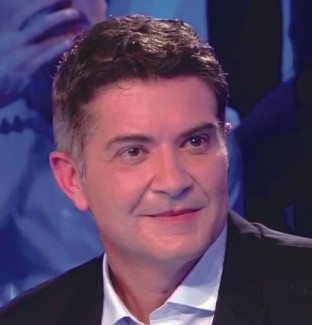
Séverine BOILLEE, INSERM researcher, team co-leader
SonRegALS (PRC-Coordinator)
Increased anti-inflammatory impact of Tregs in ALS by transiently opening the CNS barriers with ultrasound
Amyotrophic Lateral Sclerosis (ALS) is the most common adult-onset motor neuron disease affecting both upper (brain) and lower (spinal cord) motor neurons. Our previous work showed that microglial cells and peripheral macrophages influence ALS disease progression and the regulatory T cells (Tregs) neuroprotective role. Moreover, clinical trials using low dose IL2 to increase the proportion of Tregs indicated a benefit in a subset of patients and suggested Tregs to act primarily in the periphery.
The SonRegALS project has two objectives: to increase the number of circulating Tregs through IL-2-based treatment, and then to temporarily open the blood-spinal cord barrier or the blood-brain barrier using focused ultrasound in order to enhance the anti-inflammatory effect of Tregs in the spinal cord or in the brain.

Joana LOURENCO, INSERM researcher and Yann ZERLAUT, researcher
VANILA (PRC-partner, coordinator Bordeaux University)
Non-canonical VIP-Axoaxonic Network Integration in saLiency with Acetylcholine
Cortical circuits guide higher brain functions including memory, emotions and behavioural adaptation. Cortical microcircuits are composed of two categories of neurons: glutamatergic projection -principal- neurons (PNs) that are thought to transfer information, and GABAergic interneurons (INs) which regulate the activities of PNs, thereby coordinating and refining information processing.
Two interneuron types are well ideally to mediate the coordination of cortical activities in response to salient sensory stimulation: VIP-expressing INs (VIP-INs) and axo-axonic cells (AACs).
The VANILA project aims to identify and characterize a new microcircuit involving direct excitation of the AACs by the VIPs, enabling rapid adaptation of cortical activity to unexpected salient inputs.
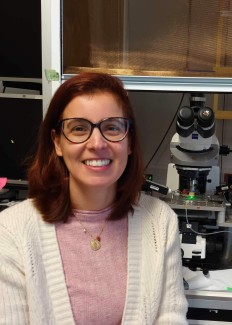
Pr Bruno STANKOFF, Neurologist (APHP Sorbonne Université), team co-leader
MAS-AMYEL (PRCI-Coordinator, international collaboration with brazil)
Demyelination in Multiple Sclerosis: a risk factor for amyloid deposition
Since multiple sclerosis (MS) is a demyelinating disease, the MAS-AMYEL project will aim to confirm the results of previous studies showing that demyelination may increase amyloid deposits in older individuals with MS and, ultimately, increase the risk of developing Alzheimer’s disease (AD).
Aging subjects (above 65 yo) previously diagnosed with MS (>10y) will be scanned using PET-MRI allowing to locate and quantify amyloid deposits and measure myelin content in the white matter using the tracers 11C-PIB and 18F-Florbetaben.
The results could enable earlier screening for AD, determine whether cognitive decline in MS patients is AD-related or MS-only related and ultimately stimulate the use of promyelinating drugs for MS and AD patients.