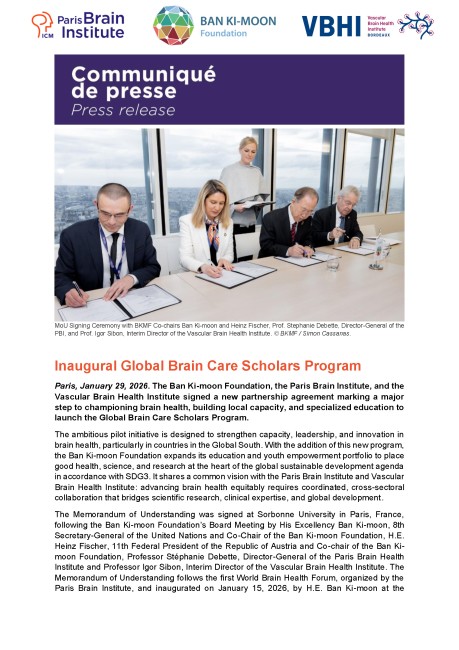

The Ban Ki-moon Foundation, the Paris Brain Institute, and the Vascular Brain Health Institute signed a new partnership agreement marking a major step to championing brain health, building local capacity, and specialized education to launch the Global Brain Care Scholars Program.
The ambitious pilot initiative is designed to strengthen capacity, leadership, and innovation in brain health, particularly in countries in the Global South. With the addition of this new program, the Ban Ki-moon Foundation expands its education and youth empowerment portfolio to place good health, science, and research at the heart of the global sustainable development agenda in accordance with SDG3. It shares a common vision with the Paris Brain Institute and Vascular Brain Health Institute: advancing brain health equitably requires coordinated, cross-sectoral collaboration that bridges scientific research, clinical expertise, and global development.
The Memorandum of Understanding was signed at Sorbonne University in Paris, France, following the Ban Ki-moon Foundation’s Board Meeting by His Excellency Ban Ki-moon, 8th Secretary-General of the United Nations and Co-Chair of the Ban Ki-moon Foundation, H.E. Heinz Fischer, 11th Federal President of the Republic of Austria and Co-chair of the Ban Ki-moon Foundation, Professor Stéphanie Debette, Director-General of the Paris Brain Health Institute and Professor Igor Sibon, Interim Director of the Vascular Brain Health Institute. The Memorandum of Understanding follows the first World Brain Health Forum, organized by the Paris Brain Institute, and inaugurated on January 15, 2026, by H.E. Ban Ki-moon at the UNESCO Headquarters in Paris, to position brain health as central to the global sustainable development agenda.
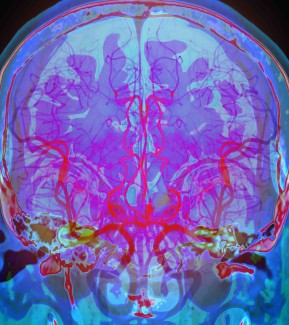
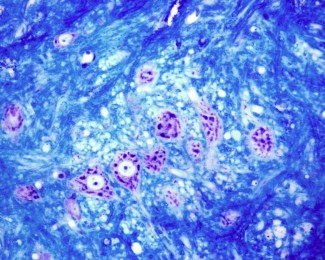
Brain health is one of the defining medical and societal challenges of the 21st century. Brain disorders are the leading cause of disability and the second leading cause of death worldwide. Brain diseases affect one in three people over their lifetime, with the burden rising fastest in low- and middle-income countries, undermining societies, economies, and innovation. While transformative treatments remain limited, rapid advances in neuroscience, artificial intelligence, genomic medicine, and digital therapeutics are opening new pathways for prevention and care. Importantly, many of the risk factors for the most prevalent brain disorders, including stroke, dementia, and depression, are modifiable yet continue to be inadequately addressed in underserved populations.
It is against this backdrop that the three partner institutions came together to formalize their collaboration. The forthcoming Global Brain Care Scholars Program aims to reduce the burden of stroke, dementia, and depression in the Global South by investing in ambitious capacity-building, training, and mentorship initiatives.
In addition, the initiative is strengthened by the involvement of two outstanding collaborating partners. The Global Brain Care Coalition, founded by Prof. Jonathan Rosand, brings practical, evidence-based tools - most notably the Brain Care Score - to translate scientific knowledge into effective, community-level prevention in more than 20 countries worldwide. The Global Brain Health Institute, represented by Prof. Agustín Ibáñez, contributes a global training platform, its Brain Health Diplomacy toolkit, and an extensive international network of leaders and former fellows committed to advancing brain health across diverse cultural and resource settings.
By aligning expertise, resources, and shared commitment, the partnership signals a decisive step toward a future where brain health is prioritized globally as a cornerstone of sustainable development and global equity.
“The Ban Ki-moon Foundation greatly looks forward to working with PBI and VBHI to promote youth participation and leadership in future initiatives and to jointly advance brain health on a global scale.” – H.E. Ban Ki-moon, 8th Secretary-General of the United Nations and Co-chair of the Ban Ki-moon Foundation.
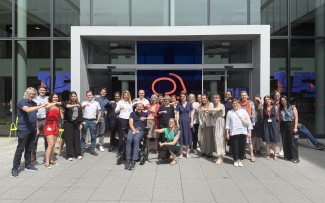
We are deeply honored to be working alongside the Ban Ki-moon Foundation to bring international organizations, scientific communities, and civil society together to reduce the burden of brain diseases worldwide. The Paris Brain Institute believes that research centers should not act as isolated centers of excellence, but as active contributors to global solutions. We hope that this new program will inspire a new generation of brain health advocates.
“This collaboration reflects our core conviction at the Vascular Brain Health Institute: that prevention, integration of science and care, and a strong focus on education and equity are key to reducing the global burden of vascular and other brain disorders. Together with our partners, we are proud to support locally driven solutions and contribute our prevention and capacity-building expertise to the Global Brain Care Scholars Program.” – Prof. Igor Sibon, Interim Director of the Vascular Brain Health Institute.
The initiative further aims to develop and empower local brain care champions in the Global South through small-impact projects within their communities. Selected scholars will also receive tailored training, mentorship, and funding to implement their innovative projects dedicated to improving brain health, with a particular focus on reducing the burden of stroke, dementia, and depression. The program will foster global collaboration, leadership, and awareness to advance brain health and promote equitable access to care worldwide.