Many patients suffer from epilepsy that cannot be controlled by current medications. Surgical removal of epileptogenic brain regions is effective in only about half of cases, and not all patients are eligible for the procedure. For these individuals, therapeutic options remain severely limited. Researchers from the Paris Brain Institute and the Institut du Fer à Moulin in Paris have now taken an important step forward: they have identified two molecules capable of reducing seizure frequency by targeting a mechanism that has so far received little attention. Their findings are published in Proceedings of the National Academy of Sciences.
For the brain to function normally, it must continuously regulate its electrical activity. One of the key mechanisms involved is GABAergic signaling, a natural inhibitory system that controls neuronal activity and prevents the electrical bursts that characterize epileptic seizures. This braking system depends on a delicate balance: the concentration of chloride inside neurons.
An ion transporter known as KCC2 is responsible for removing excess chloride from nerve cells. When it functions poorly—as observed in many neurological disorders, including mesial temporal lobe epilepsy, the most common form of focal epilepsy in adults—chloride accumulates inside neurons. As a result, GABAergic signals, instead of inhibiting neuronal activity, can paradoxically excite it.
“Continuously pumping chloride out of neurons is very costly in ATP, the cell’s fuel. When neurons are under stress, they tend to neglect this mechanism, probably to preserve their metabolism and energy reserves. As a result, KCC2 activity is greatly reduced in epilepsy. My team set out to find a way to stimulate it,” explains Jean-Christophe Poncer (Inserm), co-leader of the EpiC team at the Paris Brain Institute.
Two Molecules to Strengthen a Failing Transporter
Using high-throughput screening, two compounds—prochlorperazine (PCPZ) and CLP-257—had previously been identified for their ability to restore chloride balance in neurons. Prochlorperazine is an antipsychotic drug approved in the 1950s to treat nausea, migraines, and certain psychiatric disorders. CLP-257, meanwhile, had already been studied in the context of neuropathic pain. However, the potential antiepileptic effects of these two molecules had never been explored.
Jean-Christophe Poncer’s team first studied rat hippocampal neurons and showed that both compounds significantly improved KCC2 efficiency by restoring the chloride gradient, thereby allowing GABAergic signaling to regain its inhibitory function.
But how do these molecules work? “Contrary to what one might expect, PCPZ and CLP-257 do not increase the amount of KCC2 in nerve cells. Instead, they act more subtly by changing the way the transporter aggregates at the surface of neurons and by promoting its clustering into dense patches,” says Jean-Christophe Poncer. “This spatial stabilization makes the transporter more efficient.”
Promising Results in Human Brain Tissue
The team then tested the antiepileptic potential of the two molecules on samples of brain tissue obtained during surgery from 13 patients with treatment-resistant temporal lobe epilepsy.
In these slices of living tissue—collected by neurosurgeons and rapidly transported to the laboratory for electrophysiological recordings—the researchers observed that PCPZ and CLP-257 almost completely suppressed interictal spikes, the spontaneous electrical discharges that characterize the epileptic brain between seizures.
“This shows that both molecules correct the activity of epileptic networks in humans. This is a very important result, but it’s not enough,” the researcher emphasizes. “What we ultimately want to treat in patients are the seizures themselves.”
Reduced Seizures in an Animal Model
The team therefore continued its investigations in a model of chronic epilepsy. Mice that had experienced status epilepticus spontaneously develop recurrent seizures similar to those seen in patients. When treated for several days with injections of PCPZ or CLP-290 (a derivative of CLP-257 better suited for in vivo treatment), these mice showed a reduction in seizure frequency of 40% with prochlorperazine and 55% with CLP-290.
The effects were not limited to the seizures: both molecules also reduced other electrical markers of epileptic activity, particularly high-frequency oscillations, which are considered precursors of seizures and indicators of disease severity.
Toward New Treatments
These results provide strong proof of concept: targeting KCC2 to restore chloride homeostasis in neurons represents a valid strategy for tackling drug-resistant temporal lobe epilepsy. Prochlorperazine has the advantage of already being used in human medicine for decades, and its safety profile is well documented, which could accelerate its potential repositioning as an antiepileptic treatment.
Further research will be needed to measure the effects of these molecules on inhibitory brain function and to determine which patients might benefit from them. We believe that combining KCC2 potentiators with another class of compounds—benzodiazepines, which directly strengthen inhibitory synapses—could open particularly promising therapeutic perspectives.
For the 30% of epilepsy patients who do not respond to any treatment, these advances outline a promising new avenue, grounded in a detailed understanding of the cellular mechanisms underlying the disease.
Sources
Donneger, F., et al. Enhancing KCC2 function reduces interictal activity and prevents seizures in temporal lobe epilepsy. PNAS, Mars 2026. DOI: 10.1073/pnas.2522722123.
Funding
This work was funded by the Fondation pour la recherche médicale (FRM), the Agence nationale de la recherche, the Fédération pour la recherche sur le cerveau, Inserm, and Sorbonne University.
Image
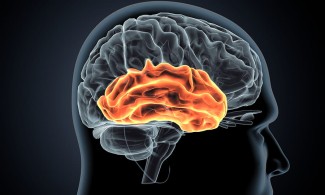
Temporal lobe epilepsy. Credit: Shutterstock.
The team "Clinical and experimental epilepsy" explores how the brain becomes epileptic (epileptogenesis), how it produces seizures (ictogenesis) and the relationships between neurophysiological activities and clinical semiology. The team is also...
Read more
Epilepsy
The word ‘epilepsy’ originates from a Greek word meaning ‘to seize’, reflecting the sudden and unpredictable onset of seizures. In France, 600,000 people are affected by this chronic neurological disease, which can present with different symptoms...
Read more