
Ataxia is a set of neurological diseases characterized by disorders of coordination and balance. Of these, Friedreich’s ataxia is the most common cerebellar ataxia. A rare but well-identified disease, it is now the subject of active research, particularly at the Paris Brain Institute, where many patients are monitored as part of the Rare Diseases Reference Centre. Recent scientific advances are opening up new therapeutic prospects.
What is Friedreich’s ataxia?
Friedreich’s ataxia affects more than one in 10,000 people. It most often begins in childhood, adolescence or young adulthood, although age of onset can vary considerably from patient to patient. This variability makes diagnosis sometimes complex, but some clinical signs are particularly characteristic.
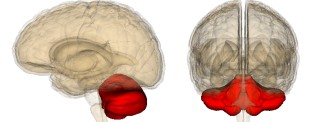
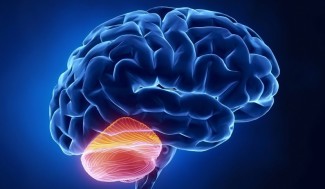
It is a progressive neurological disease that primarily affects the cerebellum, an area of the brain that is essential for coordination of movement, balance and posture. As the disease progresses, the motor disorders become more marked and affect the daily lives of patients.
A genetic cause identified more than 20 years ago
The cause of Friedreich’s ataxia has been known for more than two decades. It is based on a specific genetic defect: an abnormal expansion of repeated sequences in a gene responsible for the production of a protein called frataxin.
This protein plays a key role in mitochondria, the cellular structures responsible for producing the energy necessary for cells to function properly. When frataxin is underproduced, mitochondria malfunction. This causes major energy disturbances and oxidative stress, which is particularly harmful to nerve cells.
These mechanisms explain why Friedreich’s ataxia affects many organs and systems, beyond the nervous system alone.
Characteristic Neurological and Systemic Symptoms
Neurologically, Friedreich’s ataxia is primarily manifested by disturbances in balance and coordination related to cerebellum damage. Walking becomes unstable, gestures less precise, and posture difficult to maintain.
Peripheral neuropathy is also common. It is responsible for typical foot deformations, including hollow feet, which may appear early and worsen over time.
Other features may be added to the clinical presentation, such as a progressive decrease in visual or auditory acuity. These sensory changes are not systematic, but are part of the possible course of the disease.
A disease that doesn't just affect the brain
Friedreich’s ataxia is not limited to the nervous system. One of its major distinguishing features is heart damage. Many patients develop cardiomyopathy, a disease of the heart muscle, which can progress to heart failure as the disease progresses.
Diabetes is often associated with Friedreich’s ataxia, reflecting metabolic impairment related to mitochondrial dysfunction. This association requires comprehensive and multidisciplinary medical care.
A particular mode of transmission
Friedreich’s ataxia is also distinguished by its mode of genetic transmission. It is transmitted in a so-called horizontal manner: several siblings may be affected, while the parents do not show symptoms. Thus, the disease is not transmitted directly from one generation to the next like some other genetic diseases.
This is an important diagnostic criterion and distinguishes Friedreich’s ataxia from other forms of cerebellar ataxia.
A major therapeutic breakthrough
Precise understanding of the biological mechanisms of Friedreich’s ataxia has led to the development of an innovative therapeutic approach. It relies on a small molecule that mimics some of the functions of absent or deficient frataxin, while limiting the oxidative stress induced by its lack.
This treatment represents a major step forward for patients. It is currently available in early access, allowing many sufferers to benefit from this therapeutic innovation.
The Central Role of the Paris Brain Institute
At the Paris Brain Institute, many patients with Friedreich ataxia are followed within the Rare Diseases Reference Centre. Long-term follow-up is conducted by medical and scientific teams to assess whether the benefits observed in clinical trials are sustained over time.
This monitoring is essential to refine treatment strategies and to better understand the course of the disease. It illustrates the importance of the close link between basic and clinical research in translating scientific discoveries into concrete benefits for patients.
Friedreich’s Ataxia
Friedreich’s ataxia (AF) is the most common autosomal recessive genetic cerebellar ataxia and affects about 1300 people in France, with symptoms usually occurring between the ages of 7 and 14.
Read more